
Safety is part of the technology
How MESA Engineering organises work on LNG, petrochemical, industrial and civil construction sites — from personnel admission to permit close-out.
Our HSE commitment
We work inside LNG tanks, on pipe racks of operating plants, on scaffolding and in plant rooms of buildings under construction. On such sites, safe work organisation protects people and the schedule alike: a stoppage caused by a violation costs more than an extra hour of preparation.
Company management is personally accountable for health and safety and commits to:
- comply with Russian occupational safety and industrial safety law and with the client’s and main contractor’s site rules; where they differ, the stricter requirement applies;
- identify hazards and assess risks before work starts, and plan controls in the method statement (PPR) and permits to work;
- admit to work only trained, briefed personnel with the right PPE;
- give every worker the right and the duty to stop unsafe work;
- investigate incidents and near misses to remove causes, not to find someone to blame;
- protect the environment: collect and hand over waste properly and leave the site clean.
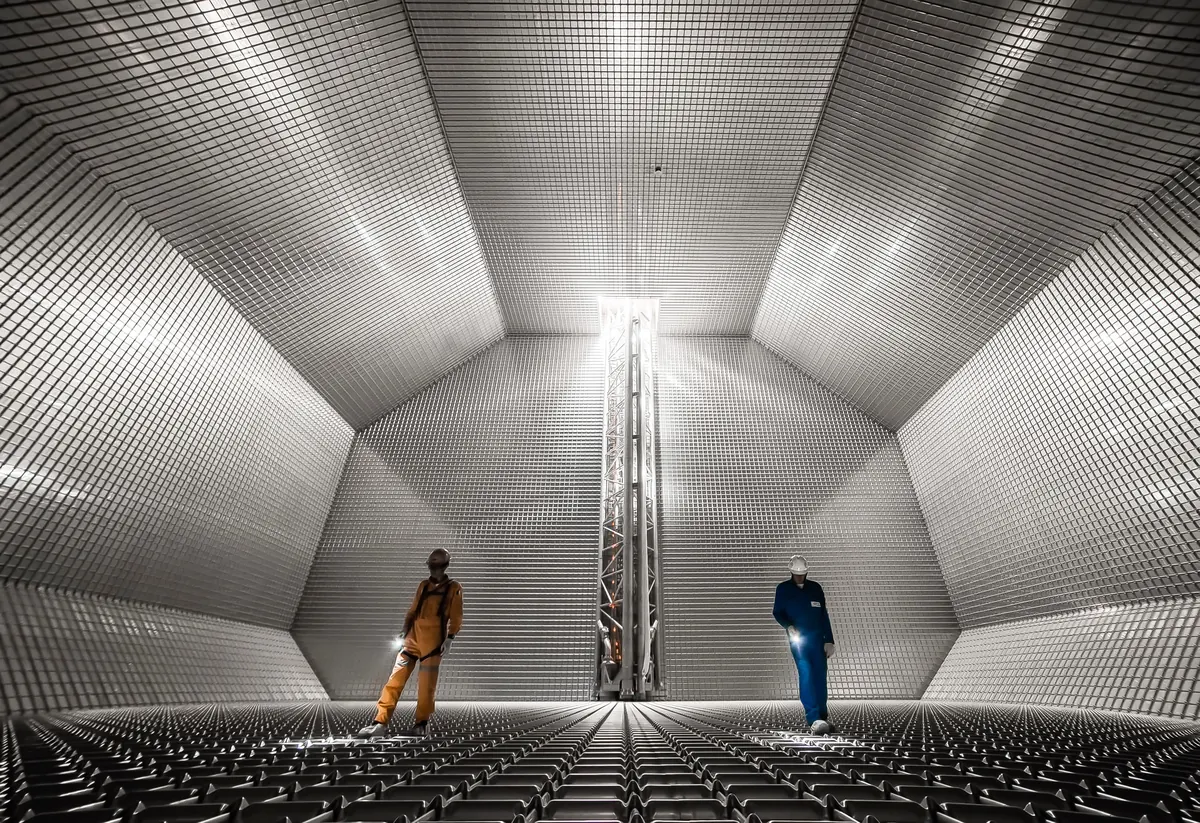
How we control high-risk activities
Permit to work and method statement
High-risk work is carried out only under a permit to work (naryad-dopusk) and a method statement. The permit lists the crew, responsible persons, hazards, controls and close-out procedure. The scope is never extended without a new permit.
Gas testing
Before tank entry, before hot work and during the job we monitor oxygen, flammable and toxic gases with calibrated gas detectors. Argon from TIG welding of the membrane can displace oxygen, so ventilation and air monitoring are a fixed part of the process.
Confined spaces
Work in tanks, vessels and equipment follows the Russian confined-space safety rules. A standby person stays outside in constant contact with the crew; the evacuation and rescue plan, rescue equipment and emergency call procedure are in place before work starts.
Work at height and scaffolding
Work at height is done by workers holding the appropriate admission group, using fall protection systems and anchor devices. Scaffolds are accepted and inspected with a logbook entry; tools and materials are secured against dropping.
Hot work
Welding, cutting and other hot work are done under permit, after gas testing and area preparation: combustibles removed, fire extinguishers on hand, welding screens in place. After the job the area is checked and kept under watch.
Personal protective equipment
Each worker receives PPE based on the risk assessment: helmet, safety footwear, workwear, eye and hand protection, respiratory and hearing protection, fall arrest systems. Condition and correct use of PPE are checked every shift.
A safe shift, step by step
Admission
Check of certificates, medicals and briefings for every crew member
Briefing
Task-specific briefing and review of the area’s tasks and risks before the shift
Area preparation
Gas testing, barriers, ventilation, scaffold and tool checks
Supervised work
Responsible supervisor and standby person on site, constant communication
Close-out
Housekeeping, people out, permit closed
Training, briefings and admission of personnel
Safety starts with prepared people. Before going to site, every worker completes training and a knowledge check for their trade and type of work.
- Safety briefings: induction, initial at the workplace, periodic, unscheduled and task-specific — as set out in the Russian rules for occupational safety training
- On-the-job internship, first aid training and training in the use of PPE
- Admissions for work at height, in confined spaces and for hot work; welder and specialist qualification as required by the project
- Pre-employment and periodic medical examinations
- The client’s site induction and site rules are mandatory for every MESA worker
- Daily toolbox talks before the shift
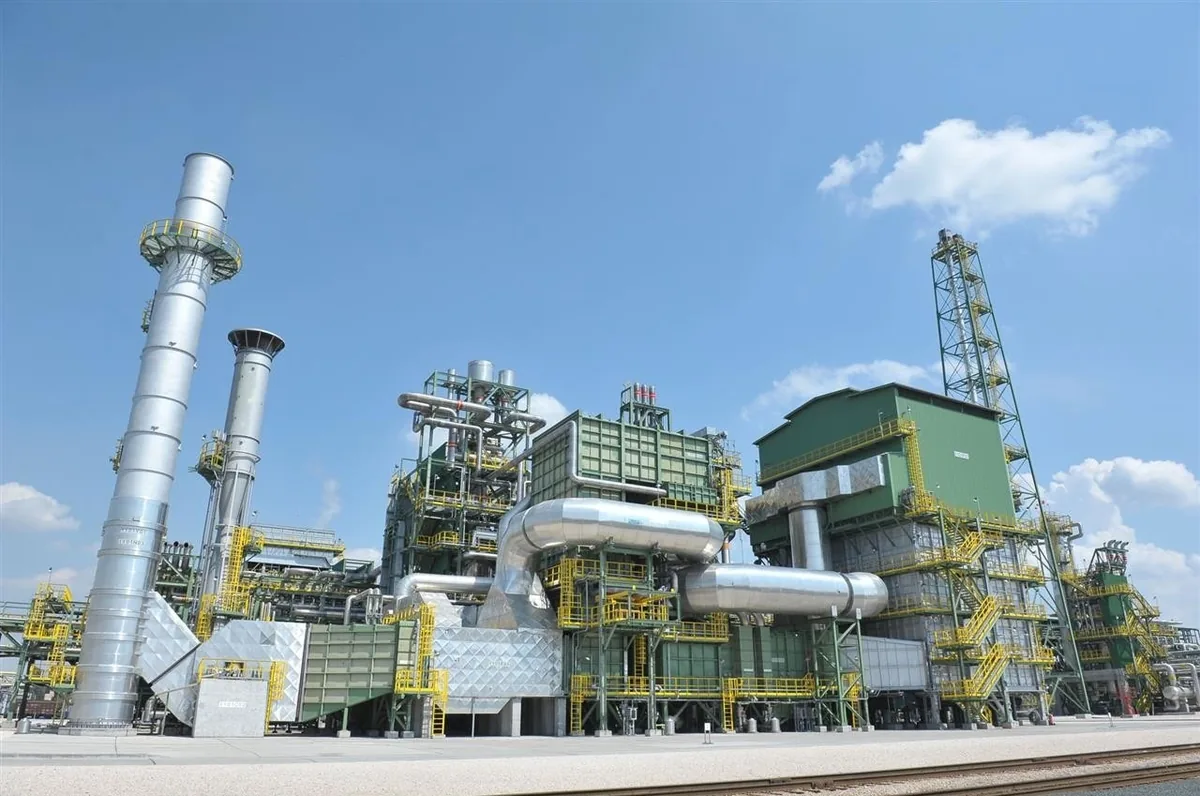
Stop-work authority and honest reporting
Stop-work authority
Anyone — from installer to manager — has the right and the duty to stop work that endangers life or health. Nobody is penalised for stopping work for safety reasons.
Incident reporting
Accidents, minor injuries, dangerous occurrences and near misses are recorded and reported to the client on time. Investigations follow the Russian Labour Code, with corrective actions shared with the crews.
Subcontractor control
Subcontractors and crews are checked for documents, training and PPE before site admission and work under the same rules and permits as our own personnel.
Waste and housekeeping
- Segregated collection of insulation waste, metal, and resin, adhesive and paint containers at points agreed with the main contractor
- Waste handed over as required by Russian waste legislation and site rules
- Dust and fibre control when cutting mineral wool; equipment covered during painting and blasting
- Efficient material cutting and a tidy workplace at the end of every shift
What our procedures are based on
- Labour Code of the Russian Federation, Section X “Occupational Safety”
- Model regulation on the occupational safety management system (Mintrud Order No. 776n of 29.10.2021)
- Rules for occupational safety training and knowledge testing (Government Decree No. 2464 of 24.12.2021)
- Occupational safety rules for work in confined and enclosed spaces (Mintrud Order No. 902n of 15.12.2020)
- Occupational safety rules for work at height (Mintrud Order No. 782n of 16.11.2020)
- Occupational safety rules for construction, reconstruction and repair (Mintrud Order No. 883n of 11.12.2020)
- Occupational safety rules for electric and gas welding (Mintrud Order No. 884n of 11.12.2020)
- Rules for providing workers with PPE (Mintrud Order No. 766n of 29.10.2021)
- Federal rules “Safe performance of gas-hazardous, hot and repair work” (Rostekhnadzor Order No. 528 of 15.12.2020) — at hazardous production facilities
- Federal Law No. 116-FZ “On industrial safety of hazardous production facilities”
List as of November 2026. The client’s own standards and procedures also apply on every site.
Need a crew ready for your site’s HSE requirements?
Send us the bill of quantities and the site’s HSE requirements — we will prepare a proposal and the list of documents for personnel admission.